Edmonton’s winters are long, dry, and punishing, with deep cold followed by sudden warm spells. That swing is hard on stucco. Water finds hairline openings, freezes, expands by roughly 9 percent, and forces small cracks to become larger fractures. Then a thaw pulls moisture deeper into the wall assembly. Over a few seasons, that cycle weakens bonds, lifts finishes, and leaves the building envelope vulnerable. Understanding how freeze and thaw cycles attack stucco helps a homeowner act early, prevent costly damage, and choose the right repair strategy.
Depend Exteriors sees this pattern across the Capital Region, from historic Glenora to Windermere’s modern builds. The team repairs traditional hard coat stucco and acrylic systems, including EIFS, with methods that suit Edmonton’s subarctic climate. For homeowners searching for stucco repair Edmonton, the details below explain what is happening behind the finish and when to bring in a professional.
Why freeze-thaw beats up stucco in Edmonton
Moisture is the trigger. Any crack, unsealed joint, or failed flashing lets water push into the finish coat and base layers. During a cold snap, the trapped water freezes and expands, forcing the stucco to bulge or flake. A Chinook or late-winter melt reverses the process. That repeated movement stresses the bond between coats, the wire lath, and the sheathing. In acrylic systems with EPS board and fiberglass mesh, thermal expansion and contraction can also stress the foam and joints. Over time, this shows up as hairline cracking, delamination, and in severe cases, spalling.
Edmonton’s wind and sun add to the problem. South and west faces dry and shrink faster, while shaded elevations near the Edmonton River Valley often hold moisture longer, which increases the chance of freeze damage. Homes near high-traffic corridors like West Edmonton Mall or Rogers Place may also collect de-icing salts and grime that contribute to efflorescence.
What freeze-thaw damage looks like on your home
Most homeowners first notice fine cracks radiating from window corners, control joints, and parapets. Those hairline cracks may seem harmless, but in this climate they are moisture highways. After a couple of winters, the pattern changes: cracks widen, finish pulls away from the brown coat, and white salt staining appears. If the wall sounds hollow when tapped, the bond has likely failed.
Acrylic stucco and EIFS systems tend to show different clues. Look for soft spots or bulging near windows, door heads, deck ledgers, and light fixtures. Woodpecker holes are common in EIFS around St. Albert, Sherwood Park, and West Edmonton, because birds sense the voids and softer foam under the finish. The holes admit meltwater, which freezes, expands, and worsens the damage.
Efflorescence is another signal. White, crusty deposits bloom on the surface when moisture dissolves mineral salts and brings them to the face as it evaporates. On hard coat stucco, efflorescence often points to chronic water entry behind the finish or WRB. Left alone, that cycle will keep repeating every spring.
How traditional hard coat responds versus acrylic and EIFS
Traditional hard coat stucco uses a scratch coat and brown coat over wire lath and building paper, with a cement-based finish coat. It is vapor-permeable and fairly stiff. It can tolerate some movement, but repetitive freeze-thaw will propagate cracks along stress lines and at weak joints. Without sealing, those cracks let water reach the lath and sheathing. Over a decade or two in Edmonton, that can lead to brown coat debonding and areas of spalling.
Acrylic stucco and EIFS use EPS board and a reinforced base coat with fiberglass mesh beneath a flexible acrylic finish. This system resists hairline cracking better and sheds water, but it depends on correct detailing: expansion joints, flashing, and sealant continuity. If a joint fails, water can track behind the foam. Freeze-thaw then pushes on the base coat and mesh, causing bulges, delamination, and surface blistering. In both systems, a poor WRB or failed flashing is the root cause more often than the finish itself.
Edmonton-specific weak points that suffer in winter
Window and door perimeters take the brunt of thermal movement. Poorly detailed or aged caulking at these joints opens up under thermal contraction, inviting meltwater in. Ledger boards for balconies and decks create penetrations that often lack proper flashing. Chimney chases, parapets, and roof-to-wall transitions allow wind-driven snow to melt and run behind the finish. North-facing or river-adjacent elevations dry slowly and feed the freeze cycle longer into spring.
Depend Exteriors sees recurring trouble in older homes in Old Strathcona where original flashing and building paper have aged out, and in newer builds in Terwillegar and Summerside where control joints or sealants need maintenance sooner than expected due to the rapid temperature swings.
The repair approach that holds up through -40°C and spring thaws
Freeze-thaw repair work must do expert stucco repair Edmonton two things: stop water at the source and restore the structural bond of the stucco layers. Patch-and-paint fails if the WRB, flashing, or expansion joints are still compromised. A proven sequence looks like this. The team identifies the moisture path by inspecting window heads, sills, control joints, kick-out flashing, and the WRB. Any soft or bulging areas are mapped. Surface cracks and delaminated zones are opened to sound substrate. Failed lath ties, corroded wire, or damaged EPS are removed and replaced. New WRB and flashing are installed where required to direct water out. High-strength fiberglass mesh and a base coat bridge cracks and reinforce transitions. A custom-tinted acrylic finish coat seals the repair and blends with the existing texture.
That sequence varies by system. On hard coat, the crew may cut back to the brown coat, then rebuild the scratch and brown coats to original depth before finishing. On EIFS, damaged EPS board is replaced and rasped flush, then meshed and base-coated prior to finish. The aim is a monolithic repair that expands and contracts with the wall without re-cracking under the next freeze.
Tools and materials that make a difference here
The right gear speeds quality work in cold weather. Mixing drills help achieve consistent base coat performance when temperatures hover near freezing. Texture sprayers allow Depend Exteriors to match dash, knockdown, or float textures over small and large patches. Heat guns and temporary hoarding keep work areas above curing temperatures when winter projects cannot wait. For water management, upgraded flashing, proper expansion joint profiles, and compatible sealants prevent new moisture entry.
Material selection matters in Edmonton. The team uses industry systems like Imasco minerals for hard coat repairs and Sto Corp acrylics for flexible finishes. On higher-end homes in Windermere and Riverbend, DuRock acrylic finishes add crack resistance and excellent color stability through deep freezes and spring sun. For EIFS, alkali-resistant fiberglass mesh resists breakdown over time. Each product choice reflects how the wall will behave through hundreds of freeze-thaw events.
Where freeze-thaw hides inside the wall assembly
Many failures begin behind the surface. A torn building paper or WRB at a window corner lets meltwater ride the sheathing until it reaches the lath. Freeze expansion then lifts the brown coat from the lath, creating a hollow thud when tapped. In EIFS, a gap in back-wrapping or foam termination at a sill allows water behind the EPS. A cold snap turns that moisture to ice, prying the base coat and mesh free. In both cases, surface repairs alone will not hold. The repair must reestablish drainage and back-up protection.
This is why Depend Exteriors checks the layer sequence on every job. The crew confirms that the WRB shingle laps correctly, that kick-out flashing pushes roof runoff away from the wall, and that expansion joints relieve stress rather than drive it into the finish. Without those checks, any fresh finish risks the same fate next winter.
Winter repairs: what is realistic in Edmonton
Homeowners often ask whether stucco can be repaired in January. The answer is yes, with the right preparation. Crews can hoard and heat small sections to keep substrates and materials within manufacturer temperature ranges. Heat guns help set sealants and patching compounds. On larger projects, work may proceed in phases, focusing on critical water-entry points first, such as window heads or balcony terminations. Color matching is still possible in winter, though final blending sometimes looks best under spring light, which Depend Exteriors discusses on site.
The larger risk in winter is rushing surface cures. Cement-based coats need proper hydration, and acrylics have specific low-temperature limits. The crew adapts methods to the weather so that each layer bonds and cures completely. That discipline pays off during the next spring thaw.
How to limit freeze-thaw damage before it starts
Small habits protect stucco through winter. Keep snow from piling against lower walls. Clear gutters and downspouts before the first big freeze so water does not spill down the face and find joints. Watch known weak spots after a warm spell, especially above bay windows, deck ledgers, and chimney chases. If new staining or white salt appears, a quick inspection can save a season of damage.
Many homes benefit from periodic sealant renewal around windows and doors every five to seven years. Sun-exposed faces age faster. Expansion joints need attention too. A failed joint can look intact from the ground, yet allow water to track behind the finish where freeze-thaw can do its worst.
What real Edmonton projects teach about freeze-thaw
In Glenora, a 1950s hard coat home showed efflorescence lines below the second-storey windows. The finish sounded hollow in a 1.5-metre band. The cause was failed head flashing and brittle building paper cut during a window replacement year earlier. Depend Exteriors removed the affected stucco to the lath, replaced the WRB and flashing, then rebuilt the scratch and brown coats. The crew applied fiberglass mesh across the transition to spread stress, followed by a custom-tinted finish. After two winters, the wall remains tight and stain-free.
In Windermere, an EIFS façade developed woodpecker holes near a soffit. Moisture entered through the punctures, and a January deep freeze caused localized bulging. The repair replaced the EPS board in affected zones, installed denser foam at bird-prone areas, wrapped with alkali-resistant mesh, and finished with a DuRock acrylic coat. The team also added bird deterrents and sealed soffit gaps. The area has remained intact through multiple freeze-thaw cycles.
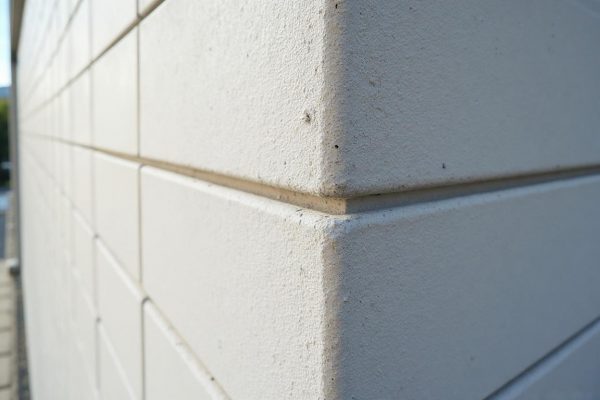
The multi-layer repair process: lath, mesh, and finish
A durable repair in this climate follows a defined sequence that respects each layer’s role. The crew exposes the substrate and verifies the WRB. If the weather-resistant barrier is compromised, it is replaced or patched with correct shingle laps. Flashing at heads, sills, and terminations is inspected and corrected to shed water. The wire lath or EPS board is reattached or replaced so the base can accept new coats. High-strength fiberglass mesh and a base coat are applied to bridge cracks and reinforce stress points. Texture is matched using specialized texture sprayers, and a color-matched acrylic finish is applied to seal and blend the repair. Expansion joints are restored to maintain movement control. Edges are tooled to prevent hairline re-cracking. This process prevents delamination and locks out the moisture that fuels freeze damage.
Brands and systems that perform in Alberta’s cold
Material systems are not interchangeable. Depend Exteriors works with Imasco hard coat mortars for durable scratch and brown coats, and Sto Corp acrylic finishes for flexibility through temperature swings. For premium estates that demand added crack resistance and a refined finish, DuRock acrylic systems deliver stable color and resilient performance. On complex EIFS restorations, the team is experienced with Dryvit and Senergy methods as well, ensuring compatibility with existing assemblies. These manufacturers invest in products that tolerate the sudden Edmonton temperature changes that cheaper mixes cannot handle.
Service coverage matched to Edmonton’s neighborhoods
Freeze-thaw issues show up across the city, but patterns vary by area. Historic homes in Old Strathcona often need building envelope restoration with careful parging and flashing upgrades. Newer properties in Terwillegar Towne, Summerside, and Riverbend see joint movement that reveals itself as seasonal hairline cracks. West Edmonton and Griesbach homes near open fields take wind-driven snow, which accelerates moisture entry at weak points. Depend Exteriors serves residential and commercial properties throughout T6H, T5A, and the wider T5 and T6 postal codes, as well as St. Albert, Sherwood Park, Spruce Grove, Beaumont, Leduc, Fort Saskatchewan, and Stony Plain. Proximity to the University of Alberta, the Muttart Conservatory, or the Alberta Legislature area brings higher humidity in shoulder seasons, and those microclimates influence how the repairs are staged and detailed.
How Depend Exteriors diagnoses freeze-thaw damage
A thorough assessment links the visible symptom to the underlying cause. The team documents staining, efflorescence, bulging, and cracking, then uses moisture meters at suspect points. Window perimeters, deck connections, and roof intersections are opened selectively to evaluate the WRB and flashing. On EIFS, the crew checks back-wrapping and foam terminations at transitions. Expansion joints are reviewed for width, sealant adhesion, and backing. Only after the moisture path is proven does the crew propose a repair scope. That avoids repeat call-backs and ensures the work survives the next winter.
FAQs for Edmonton homeowners
Can stucco be repaired in winter? Yes. With hoarding, heat, and low-temperature materials, many repairs proceed safely in winter. The crew manages cure temperatures and may phase the work to address water-entry points first.
How is a 20-year-old color matched? The team takes a color read on a clean area, then creates a custom-tinted acrylic topcoat. Aging and UV exposure change hues over time, so adjustments are tested on site. Texture sprayers help blend the patch so the repair reads as part of the original wall.
What is the difference between traditional hard coat and acrylic stucco? Hard coat uses cement-based layers over wire lath and breathes well. Acrylic stucco and EIFS use foam insulation, fiberglass mesh, and flexible finishes. Hard coat is stiffer and can develop linear cracking under freeze-thaw, while acrylic systems better resist hairline cracks but require excellent detailing to keep water out. Both systems perform well when properly installed and maintained.
What if there is mold or mildew? Surface mildew on shaded elevations can be cleaned and sealed. If testing finds moisture trapped behind the stucco with elevated readings, the repair will include opening the assembly, drying it, and restoring the WRB and flashing. The goal is to stop the moisture source, not just treat the symptom.
How long do repairs last in Edmonton? With correct moisture management and materials, a repair can last many years. Sealants at joints typically need renewal every five to seven years. After severe winters, a quick visual check each spring helps catch small issues early.
A short homeowner checklist for freeze-thaw season
- Walk the exterior after a warm spell and look for new stains, white salt, or bulging. Check caulking at window and door perimeters for gaps or splits. Keep snow and ice from building against lower walls and parging. Clear gutters and downspouts so meltwater does not sheet down walls. Book an inspection if tapping the wall reveals hollow sounds.
Why homeowners choose Depend Exteriors for stucco repair in Edmonton
Edmonton’s climate demands careful repair, not quick fixes. Depend Exteriors brings Alberta journeyman plasterers, WCB coverage, and liability insurance to every job. The team uses premium systems from Imasco and Sto Corp, and recommends DuRock acrylic finishes for high-end projects that need superior crack resistance. Repairs come with precise color matching and clean texture blending. The company is locally owned, with 5-star Google reviews from projects near the University area, the Edmonton River Valley, and throughout West Edmonton.
For homeowners searching for stucco repair Edmonton, the process is simple. Request a free on-site stucco inspection and repair estimate. A specialist will assess the building envelope, explain the freeze-thaw risks specific to your home, and provide a detailed scope with options for budget, durability, and appearance. From bulging stucco and efflorescence to woodpecker holes and deteriorating parging, the team restores both hard coat and acrylic systems so they stand up to the next cold snap and the thaw that follows.
What to expect during your project
The crew sets up safe access with scaffolding where needed and protects landscaping. If winter conditions apply, hoarding and temporary heat keep the work area in range for reliable cures. Areas with delamination are cut to sound edges. Wire lath, sheathing, and WRB are assessed and replaced where compromised. The scratch and brown coats are rebuilt on hard coat systems, or EPS board and base coats are restored on EIFS. Expansion joints and flashing are refit to current standards. High-strength fiberglass mesh and a base coat reinforce transitions, and the final acrylic finish is applied with texture sprayers for a consistent appearance. The site is cleaned, and maintenance tips are reviewed, such as sealant cycles and seasonal checks.
The bottom line for Edmonton homes
Freeze and thaw cycles are the single biggest stress test for stucco in this region. Water entry, even through small openings, drives most failures. Early attention to hairline cracks, bulging, and white salt staining prevents larger repairs later. With the right materials and a repair method that addresses the full assembly—WRB, lath or EPS, mesh, and finish—the exterior can handle deep cold and spring thaws year after year.
Depend Exteriors serves homeowners and businesses across Edmonton, from Riverbend and Summerside to Griesbach and Terwillegar Towne, as well as St. Albert and Sherwood Park. For a fast, clear path to a durable fix, book a free consultation with WCB-insured journeyman plasterers and receive a detailed quote for your parging or stucco restoration. Your walls will be ready for the next freeze, and the thaw after it.
Stucco Repair Experts in Edmonton, AB
Depend Exteriors provides stucco repair across Edmonton, AB, Canada. We fix cracks, chips, and water damage caused by storms, restoring stucco and EIFS for homes and businesses. Our licensed team handles residential and commercial exterior repairs, including stucco replacement, masonry repair, and siding restoration. Known throughout Alberta for reliability and consistent quality, we complete every project on schedule with lasting results. Whether you’re in West Edmonton, Mill Woods, or Sherwood Park, Depend Exteriors delivers trusted local service for all exterior repair needs.
Depend Exteriors
8615 176 St NW
Edmonton,
AB
T5T 0M7
Canada
Phone: (780) 710-3972
Website: dependexteriors.com | Google Site | WordPress